
Matter Explained: What the New Smart Home Standard Means for Your Devices

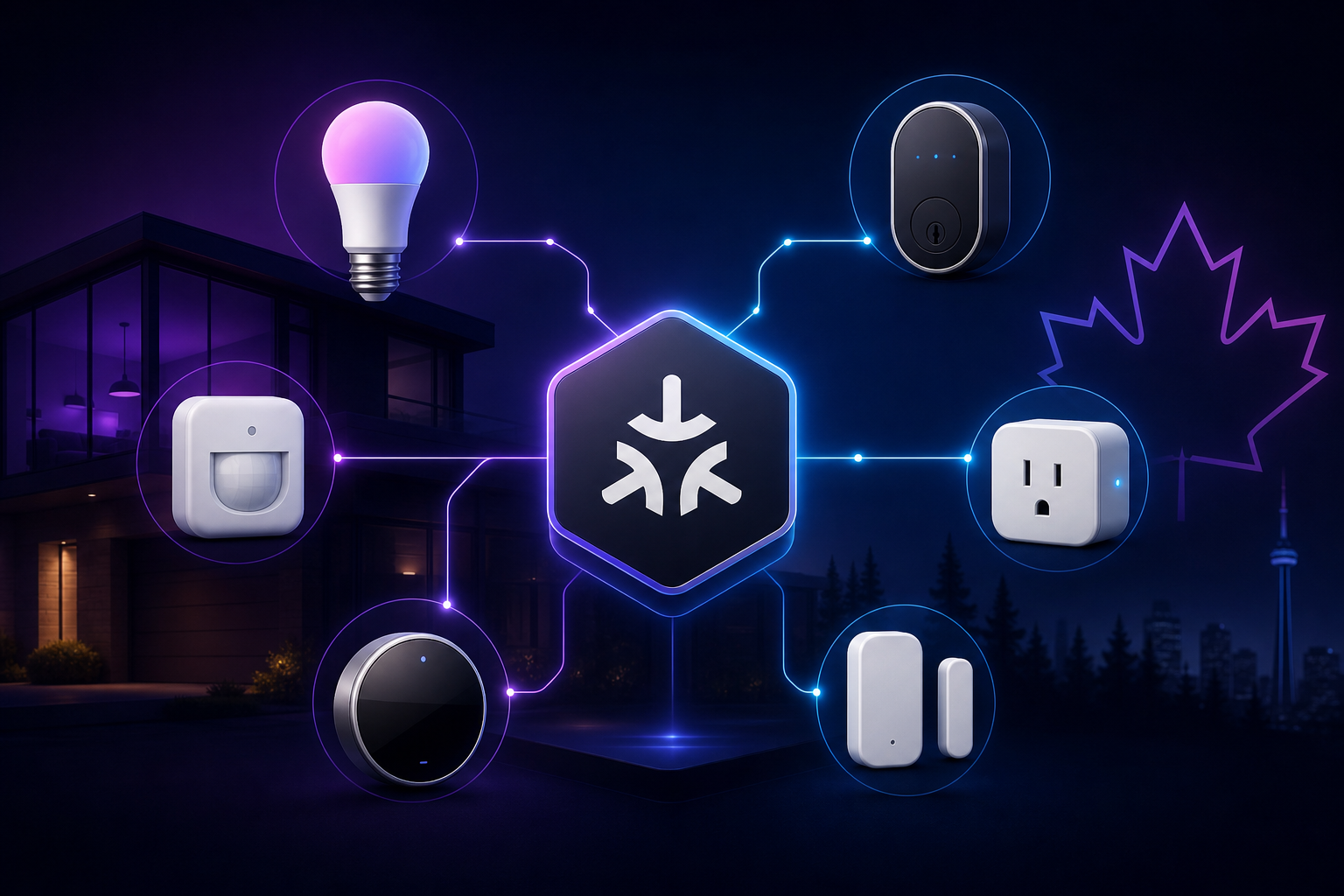
If you’ve held off buying smart home devices because you didn’t want to get locked into one brand’s ecosystem, Matter is the development that most directly addresses that concern. It’s an industry-backed standard designed so that devices from different manufacturers can work together properly — no more checking whether a specific bulb is compatible with a specific voice assistant before buying.
What Matter Actually Is
Matter is a smart home connectivity standard developed by the Connectivity Standards Alliance (CSA), with backing from major technology companies across the industry. Its core goal is straightforward: a Matter-certified device should work with any Matter-compatible app, hub, or voice assistant, regardless of which company made the device — something the smart home market has historically struggled with, since manufacturers built their own separate, often incompatible ecosystems.
Matter operates over your existing home network infrastructure — Wi-Fi, Ethernet, and Thread (a low-power mesh protocol similar in spirit to Zigbee) — rather than introducing an entirely new wireless technology homeowners need to learn about. This is a deliberate design choice: Matter is meant to sit on top of infrastructure that’s already common, not replace it.
Why This Matters for Buying Decisions
Before Matter, choosing a smart home device often meant committing to an ecosystem — buying bulbs, plugs, and sensors that specifically supported the voice assistant or app you’d already chosen, since cross-brand compatibility wasn’t guaranteed. A Matter-certified device removes much of that risk: it’s designed to work across major smart home platforms without requiring you to predict, at purchase time, exactly which ecosystem you’ll want to standardize on years from now.
This is particularly relevant for anyone building a smart home gradually rather than all at once — a common pattern where a household starts with one or two devices and expands over a couple of years. Matter reduces the risk that an early purchase becomes incompatible with a platform decision made later.
Matter vs Zigbee vs Wi-Fi: Where It Fits
| Aspect | Matter | Zigbee | Standard Wi-Fi Devices |
|---|---|---|---|
| What it is | An application-layer compatibility standard | A wireless communication protocol | Direct router connection, no shared standard |
| Cross-brand compatibility | Designed specifically for this | Depends on hub support and manufacturer implementation | Limited — often app-siloed by brand |
| Underlying transport | Wi-Fi, Ethernet, or Thread | Its own low-power mesh radio | Wi-Fi only |
| Hub required? | Sometimes — depends on the device and whether Thread is used | Yes, typically | No |
| Best understood as | A compatibility layer that can work alongside Zigbee/Thread | A transport protocol Matter can run over (via Thread) | The simplest, least interoperable option |
An important clarification: Matter and Zigbee aren’t strictly competing options — Matter is increasingly designed to work alongside Thread (a protocol with technical roots related to Zigbee’s mesh approach), meaning some Zigbee-adjacent infrastructure can support Matter devices rather than being made obsolete by it.
What to Check Before Buying a “Matter-Compatible” Device
- Look for explicit Matter certification, not just marketing language like “Matter-ready” or “Matter-compatible in a future update” — certified devices have passed the CSA’s compliance testing, while “ready” claims sometimes mean support is still pending a firmware update.
- Confirm which controller/hub ecosystems you actually plan to use it with support Matter — most major platforms do at this point, but it’s worth confirming for your specific setup rather than assuming universal support.
- Check whether the device needs Thread support from your hub — some Matter devices communicate over Thread specifically, which requires a Thread-capable border router (often built into modern hubs, but not universal on older hardware).
Should You Wait for Matter, or Buy Now?
Matter adoption has moved from early-stage to increasingly mainstream, with a growing share of new smart home products shipping with Matter certification. For most buyers building a new smart home setup today, prioritizing Matter-certified devices where available is a reasonable way to reduce future compatibility risk — but it’s not a reason to avoid buying non-Matter devices you need now, since many existing Zigbee and Wi-Fi ecosystems remain well-supported and functional on their own. Think of Matter as a factor that reduces long-term lock-in risk, not a requirement that should delay a purchase you’re otherwise ready to make.
